

Advance your clinical practice with the internationally recognised gold standard in sensory integration training.
Occupational therapists, physical therapists, and speech and language pathologists with a Bachelor’s degree or above who want to deepen their expertise in sensory integration theory, assessment, and intervention.
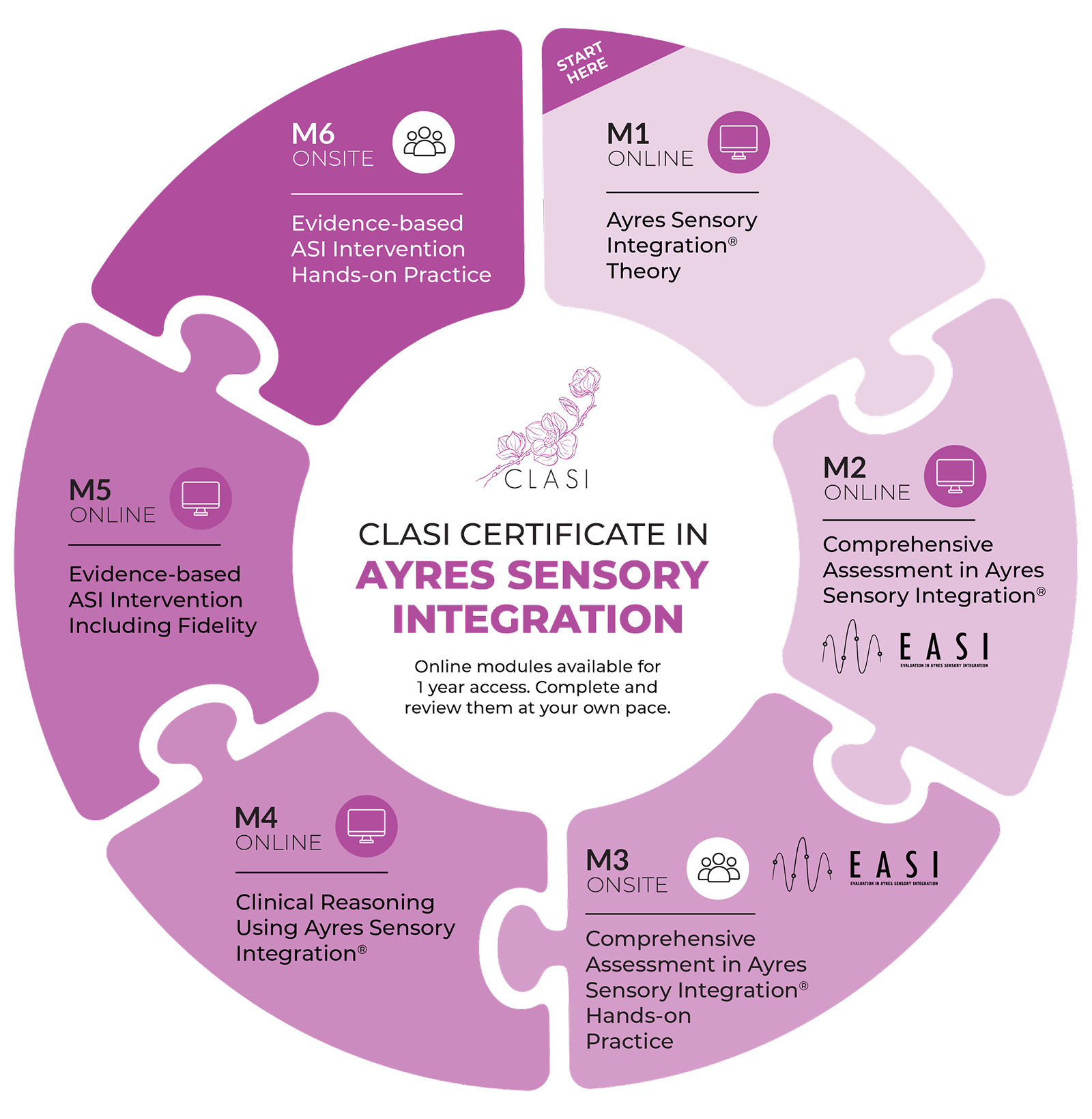
Modules 1, 2, 4 & 5 are fully online and self-paced with 12-month access. Modules 3 and 6 include live, in-person training, offering essential hands-on experience guided by international leaders in the field.
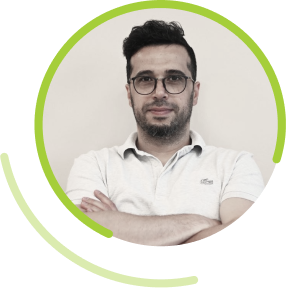
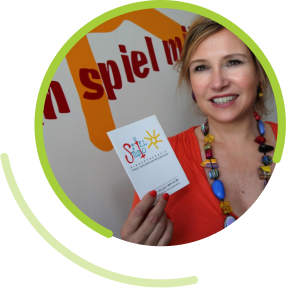
Learn directly from Aymen BALIKCI, PT, PhD for module 3 and Elisabeth Söchting, M.A., OTR/L for module 6- Globally respected leaders in ASI education and research. These instructors bring decades of experience in clinical practice.
Completion of all six modules leads to an internationally recognised Certificate in Ayre Sensory Integration (CASI).Gain practical tools to enhance your clinical reasoning, assessment capabilities, and intervention planning using fidelity-based ASI practices.
With decades of experience in continuing education in Ayres Sensory Integration (ASI), the leadership team at CLASI has developed the Certificate in Ayres Sensory Integration (CASI), placing strong emphasis on evidence-based and optimized learning methodologies tailored to diverse content areas. The program is structured as a comprehensive six-module hybrid course, combining the flexibility of self-paced online learning with in-person instruction designed to support the acquisition of hands-on competencies through mentored practice and structured feedback.
Upon completion of the program, learners will critique, analyze, and use advanced theoretical-practical tools of assessment and intervention for best practice using ASI Theory and Practice.
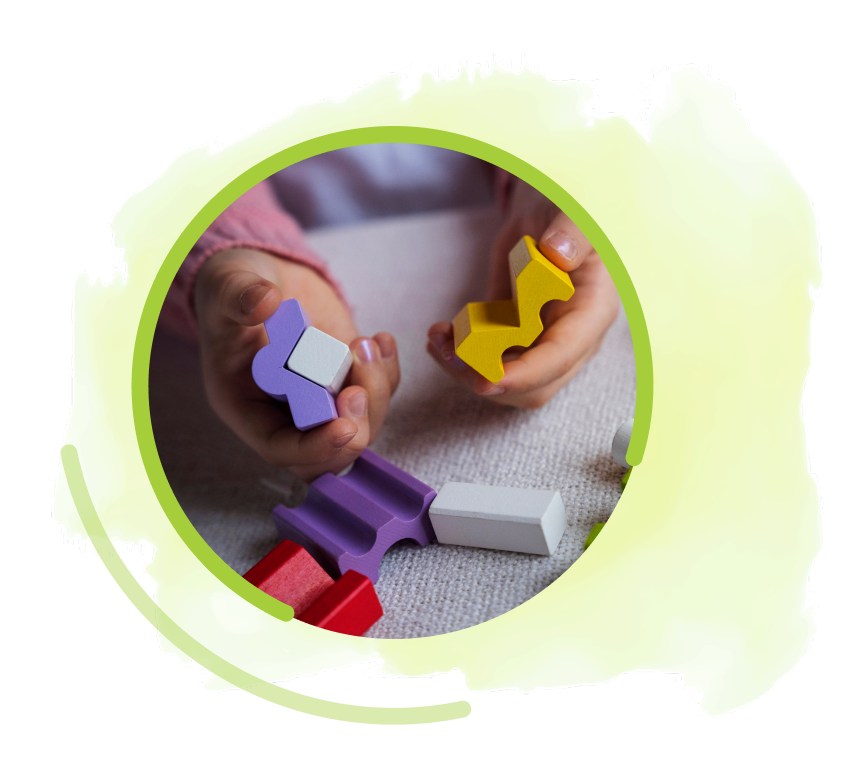
Module 1 is open to all who wish to learn about ASI theory.
After the course, participants will be able to:
Learners must complete all M1 lessons, assignments and a final review quiz to fulfil the requirements for this module. Click here to view requirements and assignments for each CLASI module and the full CLASI Certificate in ASI program.
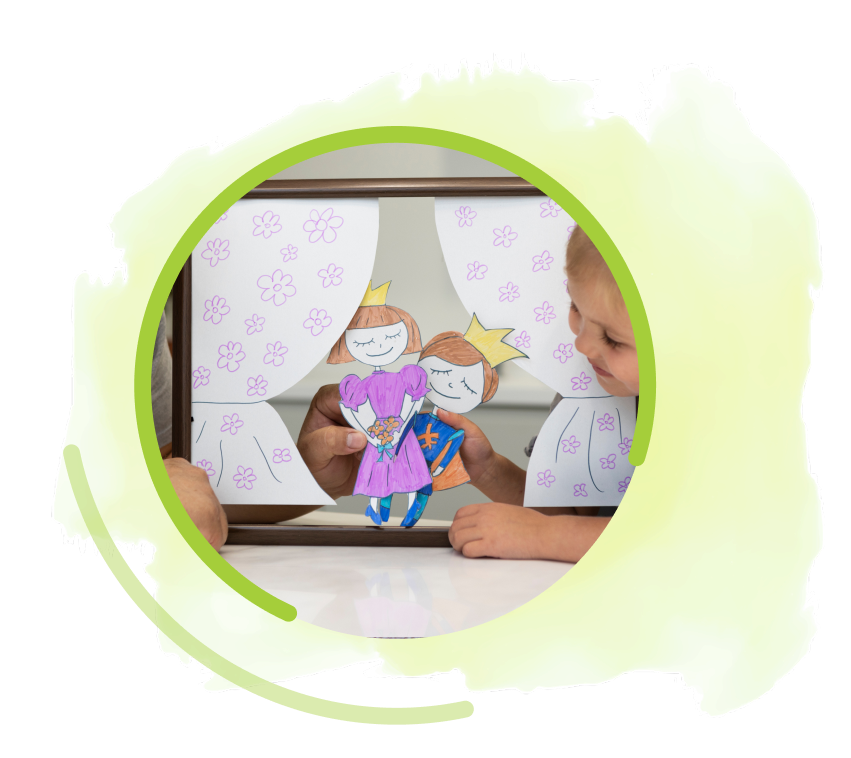
Module 2 is open to healthcare professionals with at least a bachelor level equivalent college/university degree in occupational therapy, speech pathology, physical therapy, psychology, or medicine. Module 2 is a prerequisite to Module 3.
After the course, participants will be able to:
Requirements and Assignments
Click here to view requirements and assignments for each CLASI module and the full CLASI Certificate in ASI program.
Required Materials
To receive the final certificate, learners must document the completion of a comprehensive assessment of sensory integration with at least two typically developing children and one child who has been identified as having concerns. Due to the accessibility of the EASI in terms of cost, age range, and international applicability, the main assignments of the program will be geared toward these newly developed tests. A checklist of items needed for learning, practicing, administering, and scoring the EASI can be found here, and will be provided in the resources section of CLASI’s assessment Modules (Modules 2 & 3). The estimated total cost for the EASI items is $450-$550.
Therapists will be guided through the interpretation process with the tests they apply and through cases provided in the modules.

Module 3 is open to healthcare professionals with at least a bachelor level equivalent college/university degree in occupational therapy, speech pathology, physical therapy, psychology, or medicine.
After the course, participants will be able to:
Requirements and Assignments
Click here to view requirements and assignments for each CLASI module and the full CLASI Certificate in ASI program.
Required Materials
To receive the final certificate, learners must document the completion of a comprehensive assessment of sensory integration with at least two typically developing children and one child who has been identified as having concerns. Due to the accessibility of the EASI in terms of cost, age range, and international applicability, the main assignments of the program will be geared toward these newly developed tests. A checklist of items needed for learning, practicing, administering, and scoring the EASI can be found here, and will be provided in the resources section of CLASI’s assessment Modules (Modules 2 & 3). The estimated total cost for the EASI items is $450-$550.
Therapists will be guided through the interpretation process with the tests they apply and through cases provided in the modules.

Module 4 is open to healthcare professionals with at least a bachelor level equivalent college/university degree in occupational therapy, speech pathology, physical therapy, psychology, or medicine. Module 4 is a prerequisite to Module 6.
After the course, participants will be able to:
Click here to view requirements and assignments for each CLASI module and the full CLASI Certificate in ASI program.

Module 5 is open to all who wish to learn more about evidence-based manualized ASI Intervention. Module 5 is a prerequisite to Module 6.
After the course, participants will be able to:
Click here to view requirements and assignments for each CLASI module and the full CLASI Certificate in ASI program.
Module 6 is open to occupational therapists (OT), physical therapists (PT), and speech and language pathologists (SLP). For those pursuing a CLASI CASI modules 1-5 are prerequisite to M6. Those with prior training in ASI are welcome to enroll and update their knowledge. If you have advanced training in ASI, please contact your course host to confirm your eligiblity.
After the course, participants will be able to:
Click here to view requirements and assignments for each CLASI module and the full CLASI Certificate in ASI program.

Refund or registration transfer may be possible depending on when cancellation notification is received. Read the full policy here. If CLASI is required to cancel the module, a full refund will be given.
Participants must complete all aspects of the modules and assignments to be eligible for a certificate of completion. Read the full policy here.
Thank you for your interest. Our team will contact you shortly.
Fill in your details below and our team will get in touch with you shortly to guide you through the next steps.
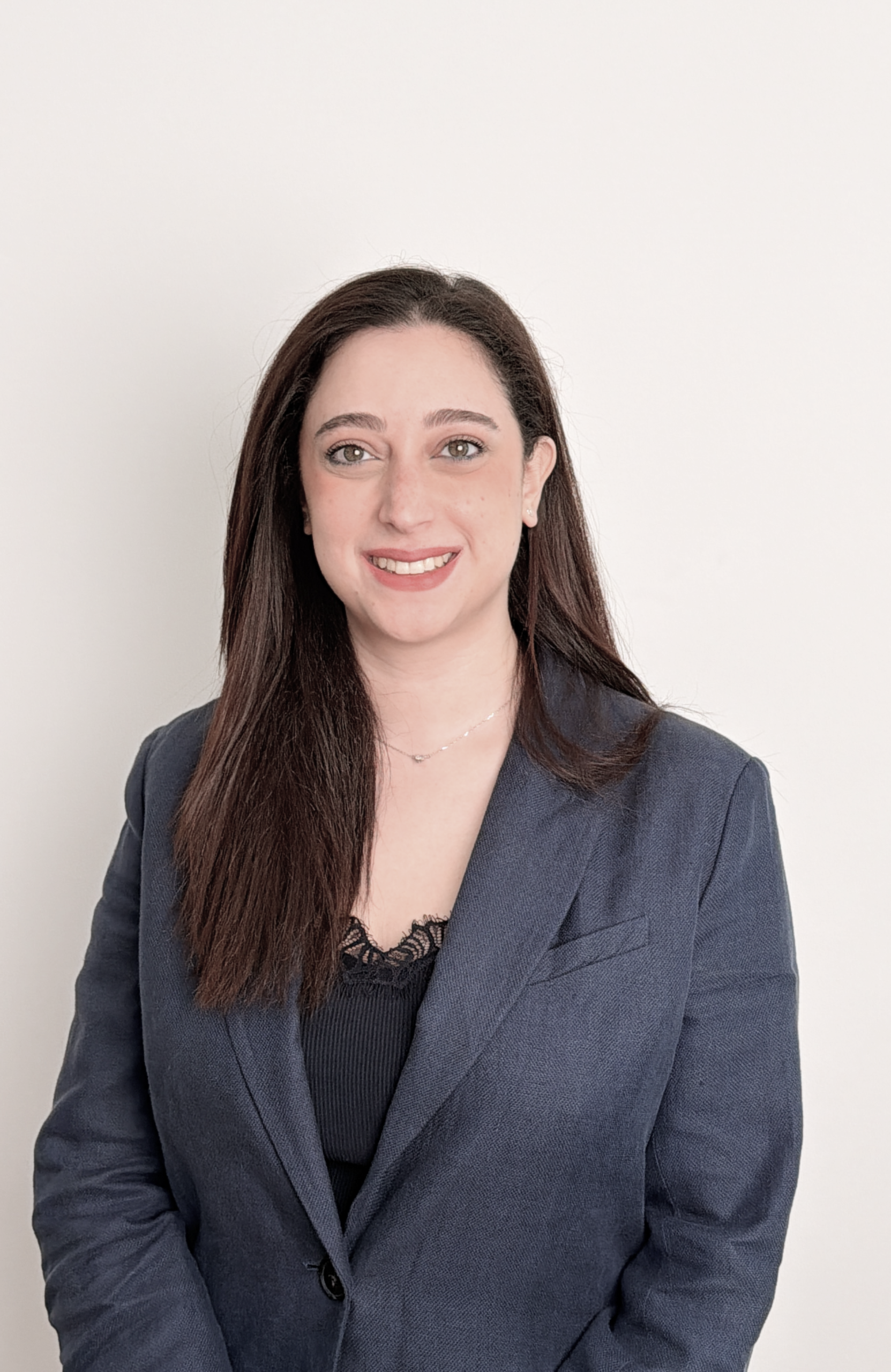
Inaam is a Psychotherapist holding a Master’s degree in Clinical Child Psychology from the United Kingdom. She has further strengthened her expertise in understanding and supporting children’s mental health and development through advanced academic training and hands-on professional experience. Currently, she serves as Psychotherapist and ABA Therapist at Odyssey Center.
Bringing over five years of experience, Inaam has worked closely with children, families, and educational systems across clinical settings, special education environments, and applied behavior analysis (ABA) programs. Her practice is grounded in evidence-based approaches, and she integrates ABA methodologies with psychology and social work principles to support children with developmental, behavioral, and learning challenges.
Inaam is passionate about improving children’s emotional and behavioral well-being and is dedicated to making a meaningful difference in their lives. She thrives in collaborative environments and is committed to continuing her growth in the fields of child psychology, special education, and ABA.
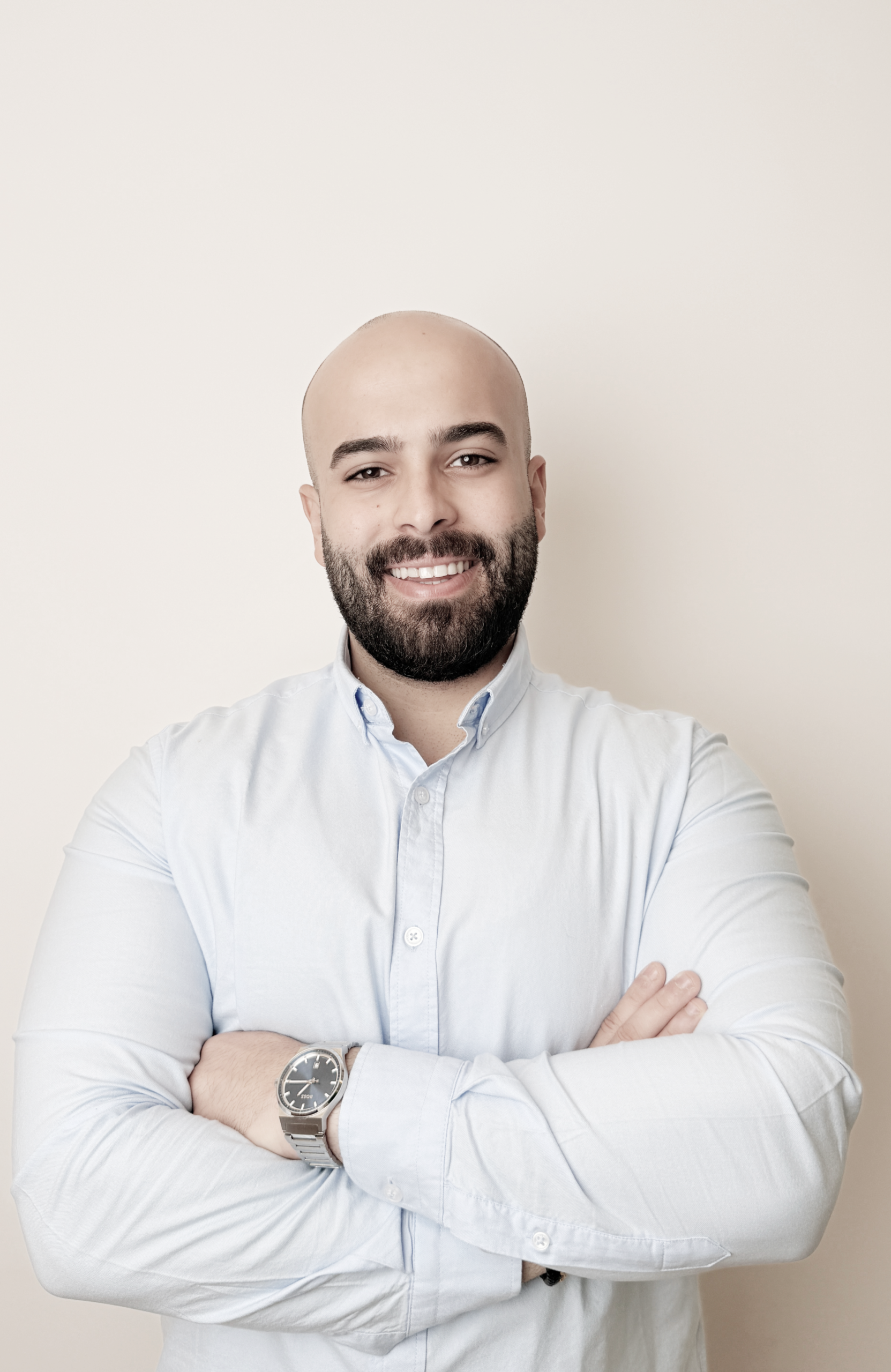
Said Mahmoud is a licensed Occupational Therapist with extensive experience in both clinical practice and educational leadership. Currently, he serves as Senior Occupational Therapist at Odyssey Center.
A graduate of Saint Joseph University of Beirut (2021), Said is an active member of the Lebanese Occupational Therapists Syndicate (LOTS) and the World Federation of Occupational Therapists (WFOT). His work focuses on enhancing functional development, cognitive and motor skills, and daily participation for children and adults with physical, intellectual, or developmental challenges. Guided by a human-centered, evidence-based approach, he tailors each intervention to the individual’s unique strengths and needs.
Beyond his clinical and managerial responsibilities, Said has designed and delivered numerous workshops and awareness sessions addressing inclusion, child development, and special education. He is deeply committed to creating environments where individuals of all abilities can grow, participate, and thrive.
Said also holds a certification in Music Therapy, which he integrates into his sessions to enrich the therapeutic experience and promote emotional expression.
Fluent in Arabic, English, and French, he continuously seeks new opportunities for professional growth and innovation in the field of rehabilitation and inclusive education.
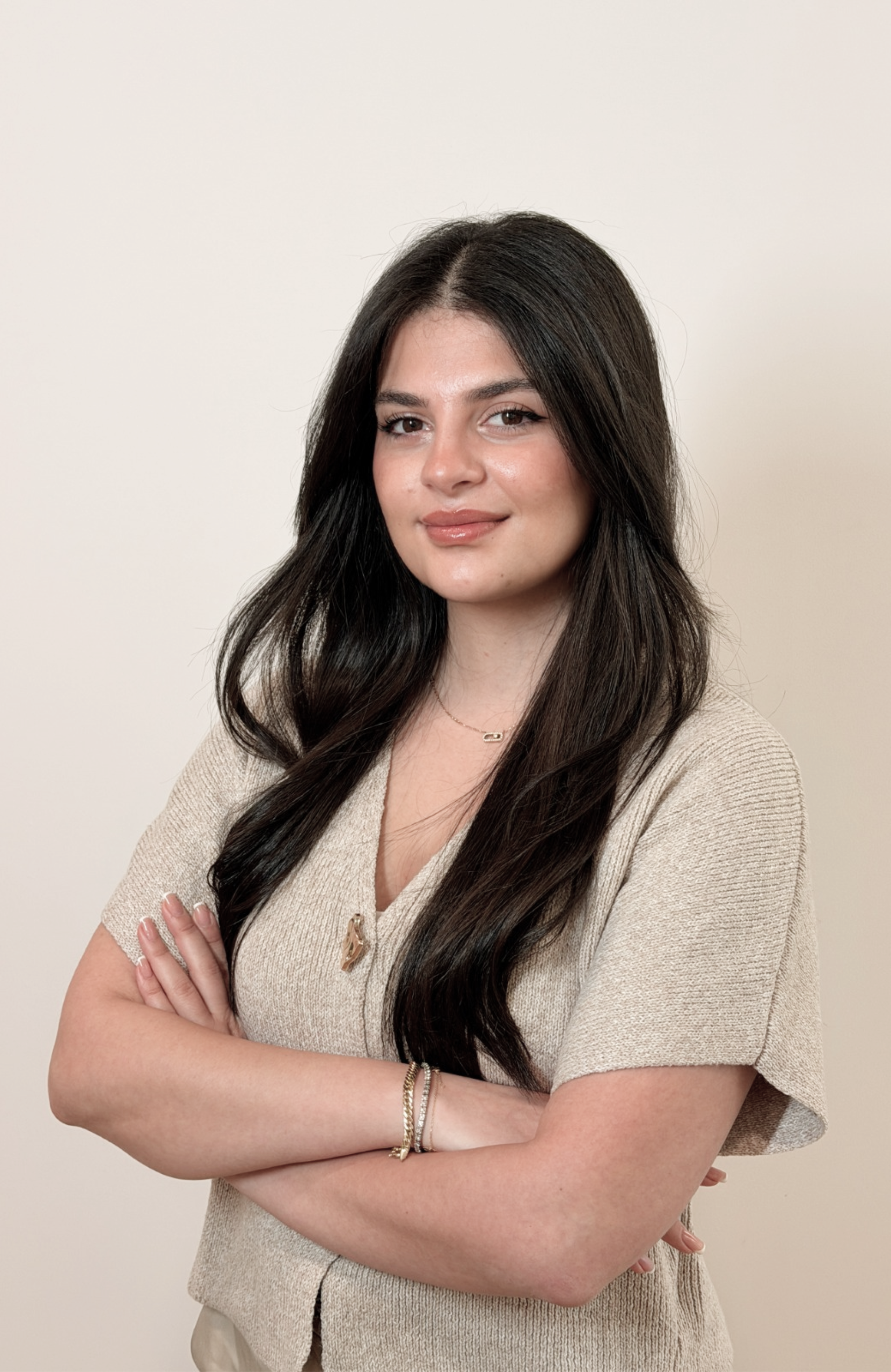
Yara Ayache is a licensed Clinical Psychologist with over six years of experience working with children, adolescents, adults, couples, and families. She holds a BSc (Hons) and MSc in Clinical Psychology and Mental Health from the University of Sussex (United Kingdom) and provides therapy in both Arabic and English.
Yara has extensive experience supporting children and adolescents with emotional regulation difficulties, anxiety, low mood, behavioural challenges, self-esteem concerns, and social skills development. She also works with adults and couples, supporting clients through emotional difficulties, life transitions, and relationship-related concerns.
In addition to therapeutic work, Yara is skilled in psychological assessment, including cognitive, educational, and emotional assessments for children, adolescents, and adults. She has worked closely within multidisciplinary teams, psychiatrists, and educators to provide holistic care.
Her therapeutic approach has Cognitive Behavioural Therapy training from Beck Institute (USA), training in Integrative Psychodynamic approaches, and couples counselling training from The Gottman Institute (USA).
Yara views therapy as a space for understanding patterns, building insight, developing emotional awareness, and fostering self-compassion and growth. She aims to meet each client where they are and tailor therapy to their unique experiences, strengths and goals.
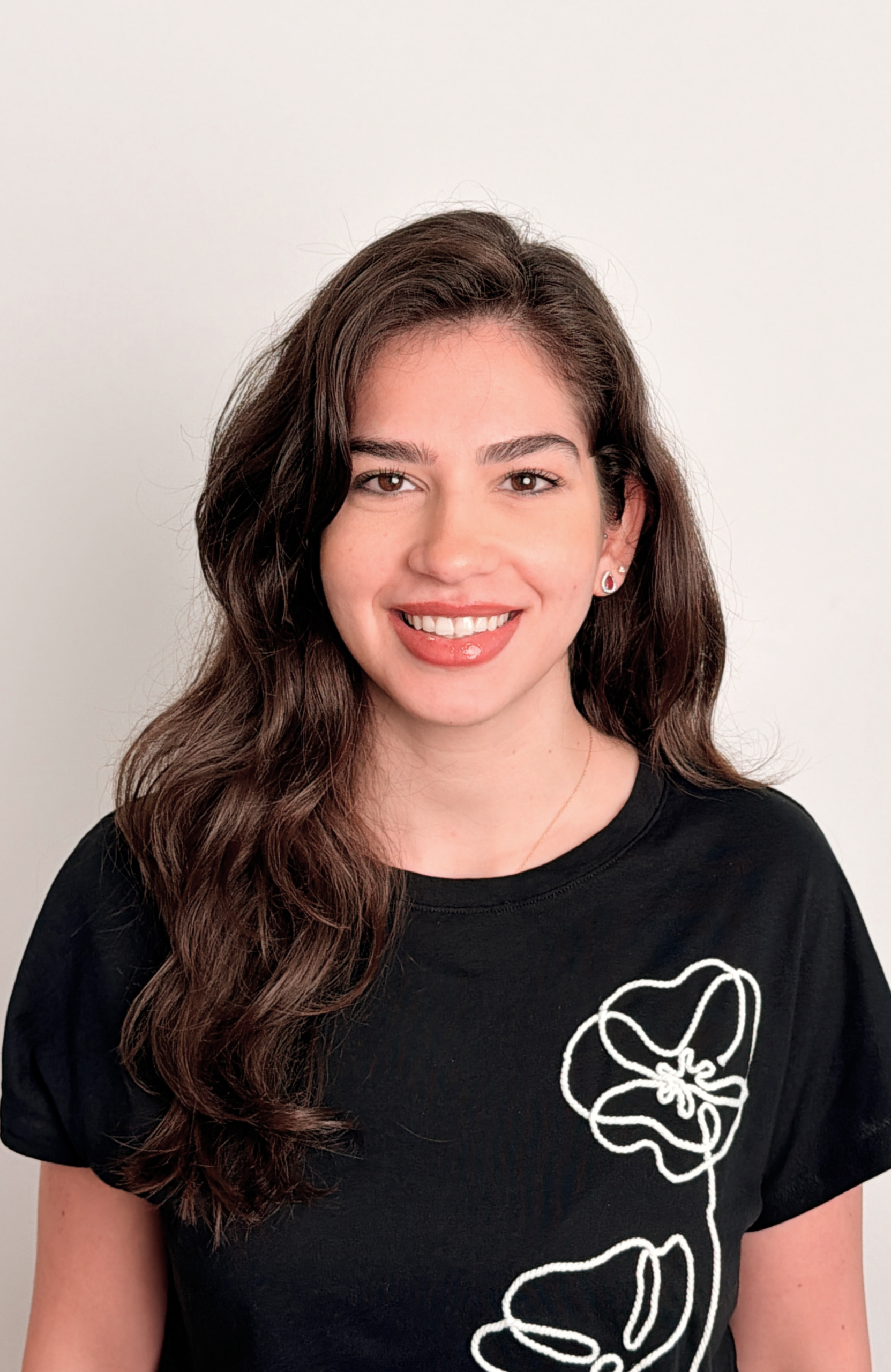
Carine is a Clinical Dietitian and Nutritionist, specialized in Eating Disorders, with several years of experience supporting individuals of all ages in improving their relationship with food and body image.
She is also trained in the SOS Approach to Feeding, supporting children and families with feeding challenges using a gentle, sensory-based framework and nutrition.
Carine is passionate about changing eating behaviors, helps clients feel safe with food, rebuild confidence, and move toward a healthier, more balanced lifestyle and optimal well-being.
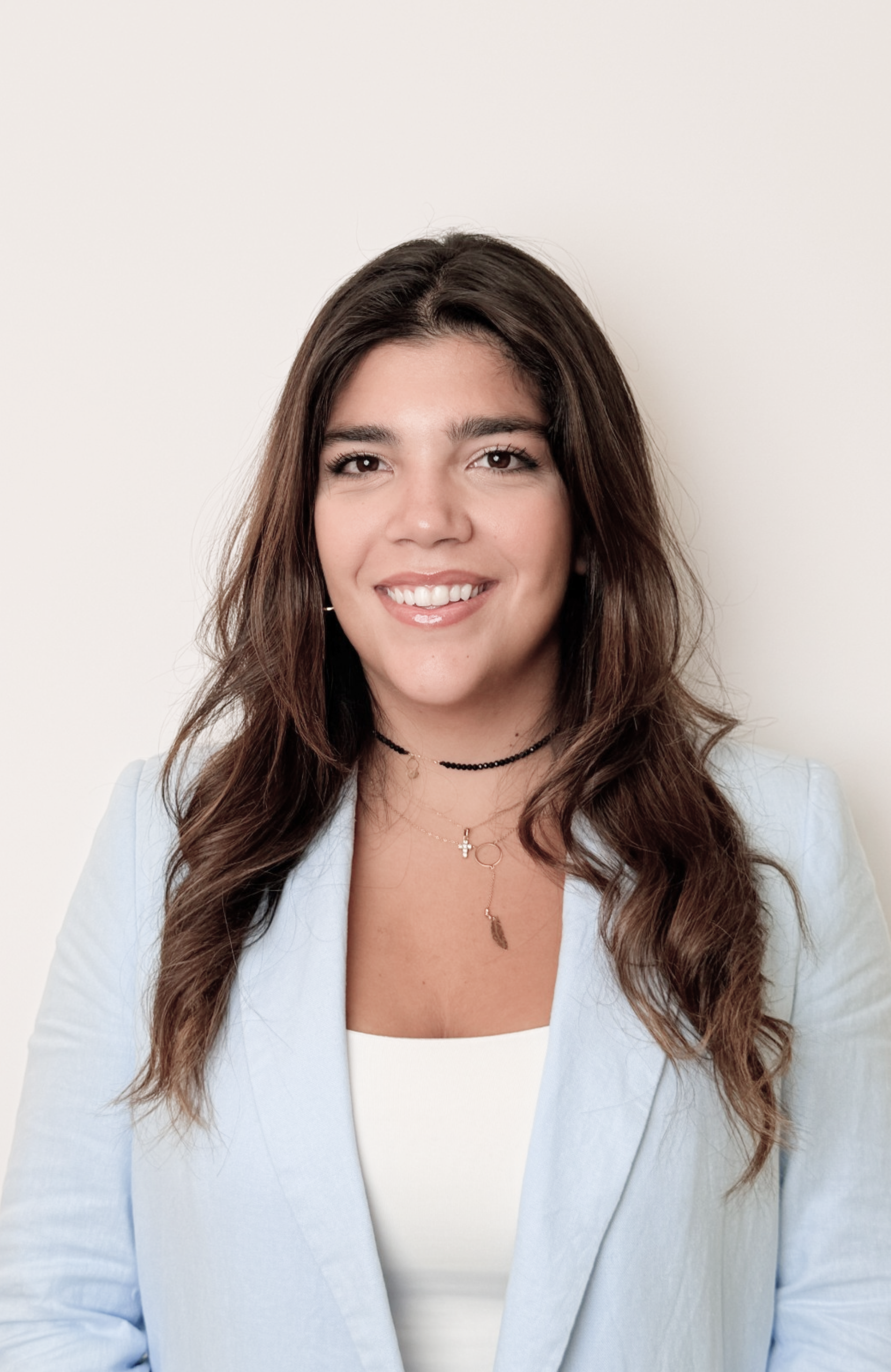
Martine is a Speech and Language Pathologist holding a Master’s degree in Speech and Language Pathology from Saint Joseph University in Beirut. She currently works as the Head of the Speech Therapy Department at Odyssey Center.
Bringing her expertise from Lebanon and France, Martine has worked with both children and adults across various settings, including schools, hospitals, rehabilitation and elders care centers. Her experience covers a wide range of domains such as learning disorders, speech delays, as well as cognitive rehabilitation, swallowing disorders, voice disorders and language impairments (aphasia).
Martine participated in several research projects in collaboration with her university in Beirut and healthcare professionals, focusing on teachers’ guidance in supporting children’s language development, as well as on therapeutic education for patients with dysphagia and their caregivers.
Trilingual in French, English, and Arabic, Martine is passionate about providing evidence-based care with enthusiasm, empathy, and professionalism to every individual in need.
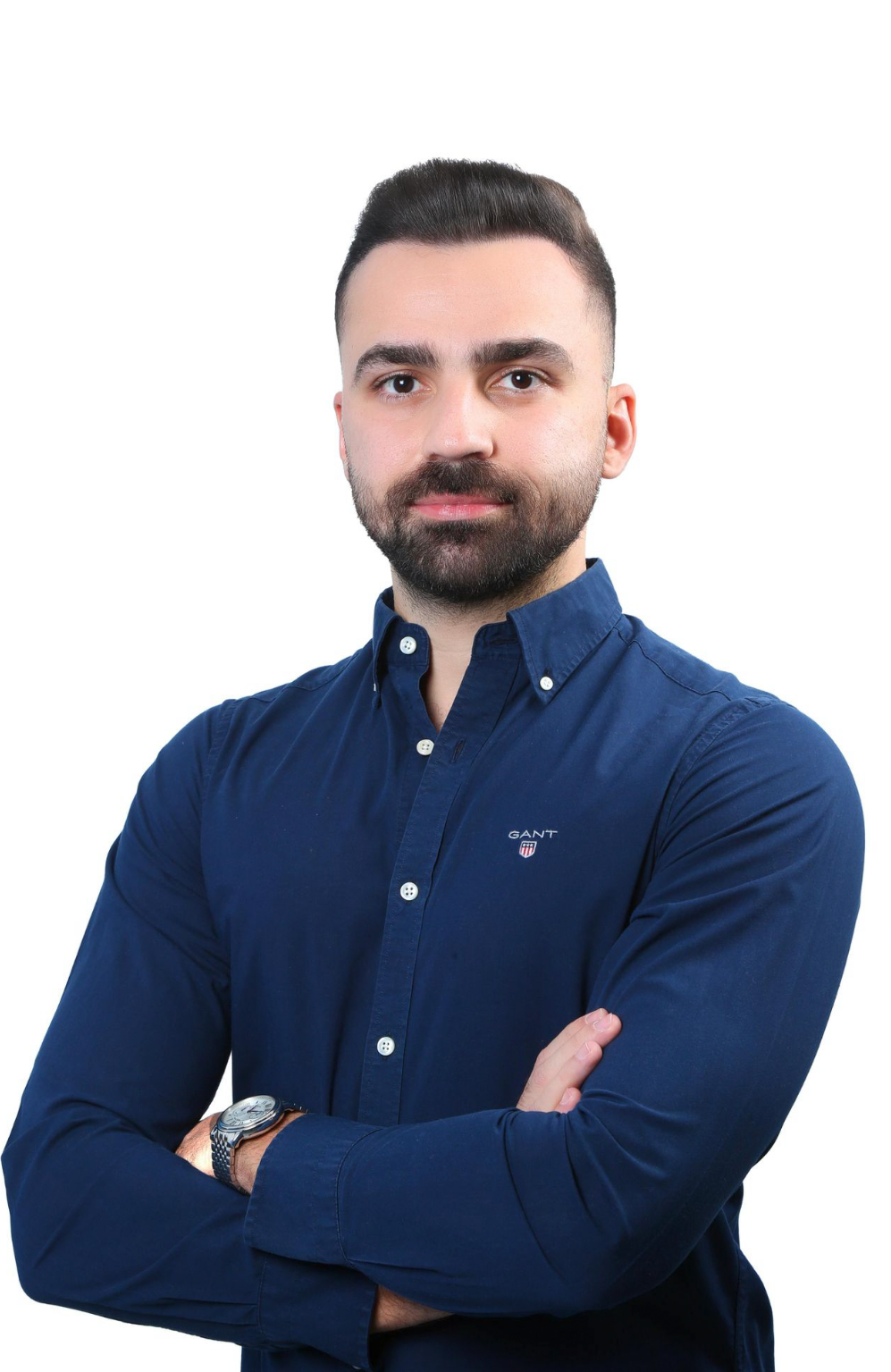
Mohamad serves as the Administration & Finance Manager at Odyssey Center, bringing extensive experience in accounting, administration, and operations to enhance efficiency and ensure financial stability.
He has a proven track record in managing staff, streamlining operations, ensuring regulatory compliance, and supporting facility management and interdepartmental communication. In his current role, Mohamad oversees key financial functions, including cash flow management, forecasting, and reporting, while developing financial strategies, ensuring audit and regulatory compliance, and implementing cost-saving measures to enhance outcomes.
On the administrative side, he leads a team of professionals, oversees HR functions, and develops policies that foster collaboration, operational efficiency, and high performance.
Mohamad holds a Bachelor of Business Administration in Accounting Information Systems and an MBA in Management. He is also a Certified Purchasing Professional.
By aligning financial integrity with operational excellence, Mohamad supports Odyssey Center in achieving its strategic goals.
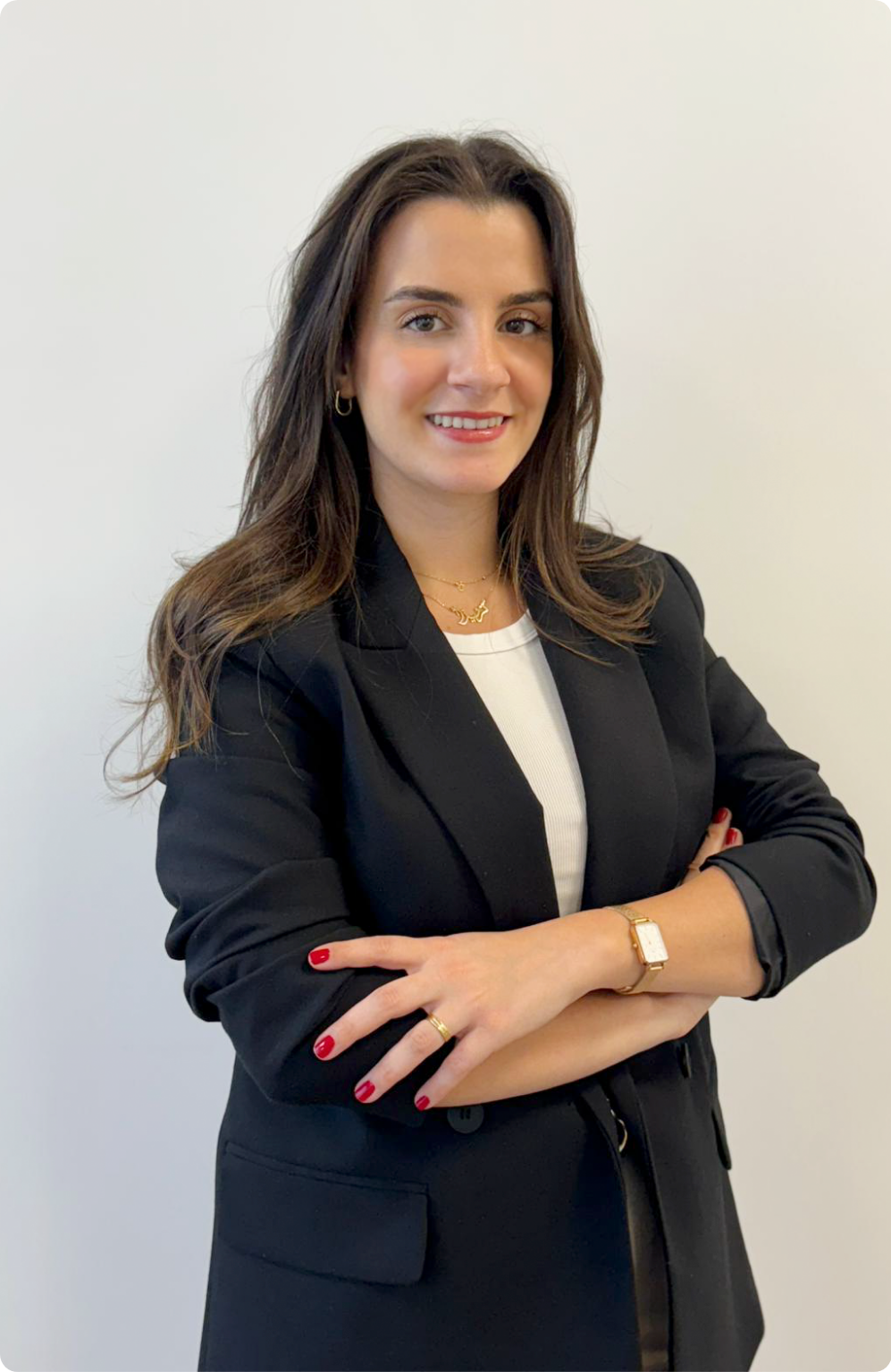
Theresa is a licensed, dedicated, and compassionate Speech-Language Pathologist (SLP) with over three years of experience in diagnosing and treating speech and language disorders.
She holds a Bachelor’s degree in Speech and Language Pathology from the Lebanese University and is currently pursuing her Master’s degree. Theresa has worked across various clinical settings, including schools, centers, and private practices, gaining expertise in language delays, speech and fluency disorders, social communication difficulties, and learning challenges. Her focus is on early intervention and supporting school-age children.
Passionate about helping individuals overcome communication barriers, Theresa stays updated with the latest research and techniques, actively engaging in professional development. She believes in a holistic approach to care, emphasizing family involvement and collaboration with other healthcare professionals to provide comprehensive support.
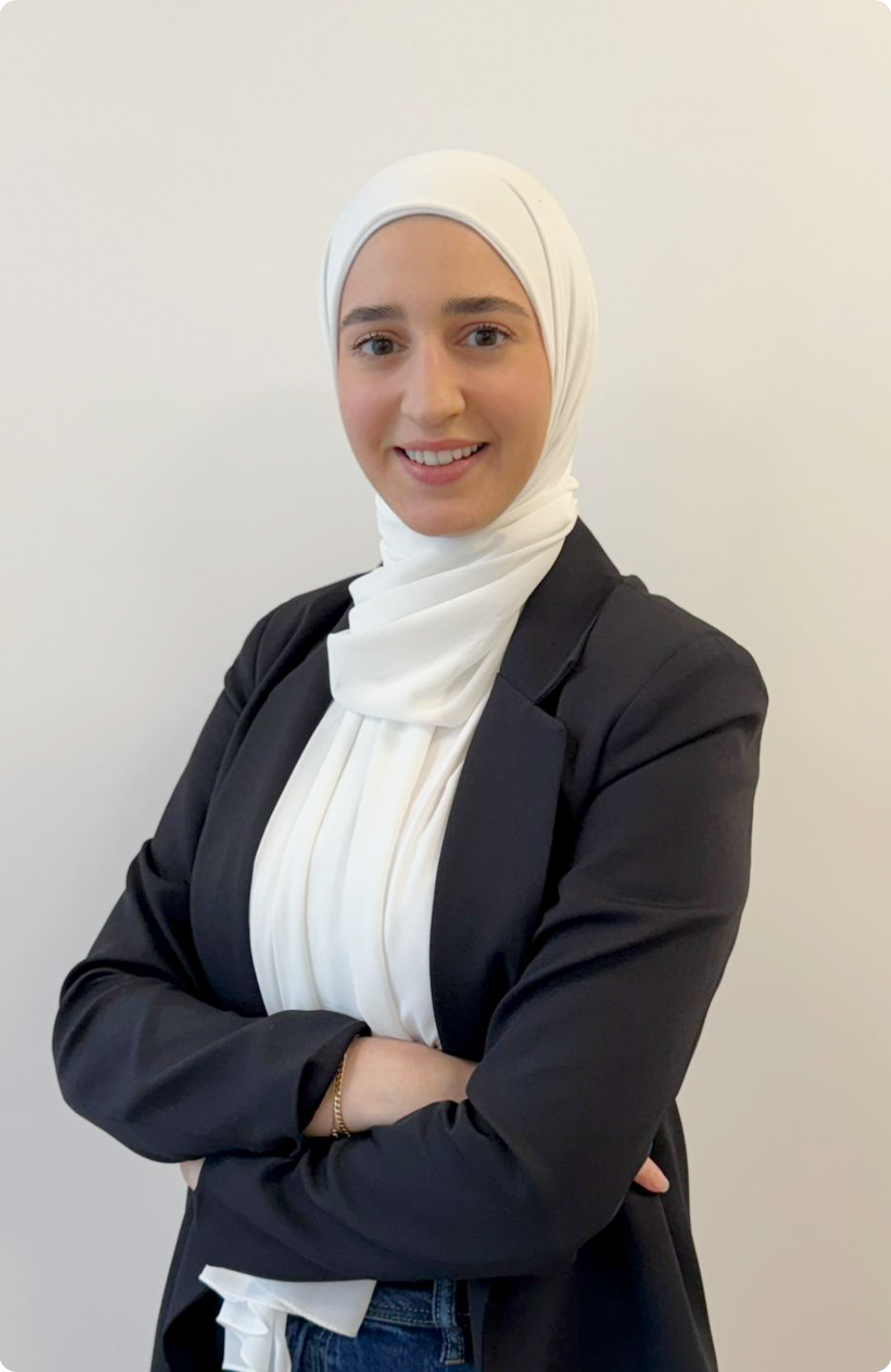
Dana, a licensed clinical psychologist, holds a master’s degree in Educational Psychology from Saint Joseph University in Lebanon. Fluent in French, Arabic, and English, Dana brings over seven years of experience in working with children, adolescents, and adults.
She specializes in supporting children with autism, developmental delays, and learning disabilities, and is highly skilled in administering psychometric assessments and providing tailored interventions. Dana’s therapeutic approach is personalized, ensuring a safe and supportive environment for clients to navigate emotional and psychological challenges.
In addition to her expertise, Dana holds certifications in Reconsolidation Therapy (Brunet Method) from Canada, Cognitive Behavioral Therapy (CBT), and Psychodynamic Therapy.
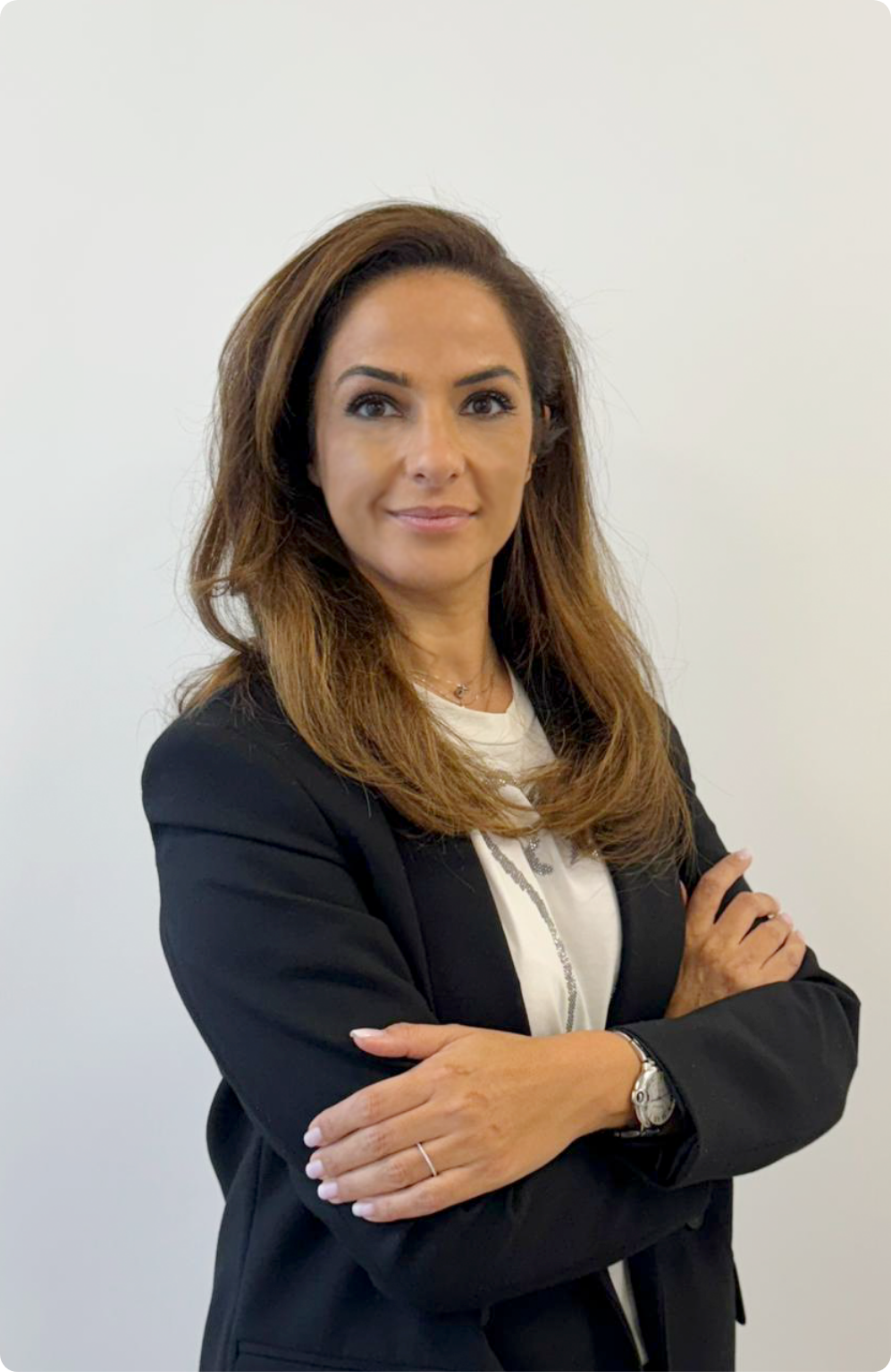
Celine is a dedicated mental health professional with over 20 years of experience supporting children with special needs. She holds a Bachelor’s degree in Psychology and has spent more than a decade in Qatar, working as both an ABA therapist and a school counselor, where she provided crucial support to students and families, promoting emotional well-being and resilience.
Her extensive experience in educational settings has equipped her with a deep understanding of the unique needs of children, enabling her to implement personalized strategies that leverage each child’s strengths.
Currently, Celine serves as the managing partner of Odyssey Center in Qatar, leading a team of professionals committed to delivering high-quality, compassionate care.
Under her leadership, the center has become a trusted resource for families, offering essential support and advocacy for children’s mental health and developmental needs.
Driven by a passion for community impact, Celine is dedicated to raising awareness and fostering a deeper understanding of special needs and mental health. Her vision is to create a more inclusive society where every child can thrive and reach their full potential.