
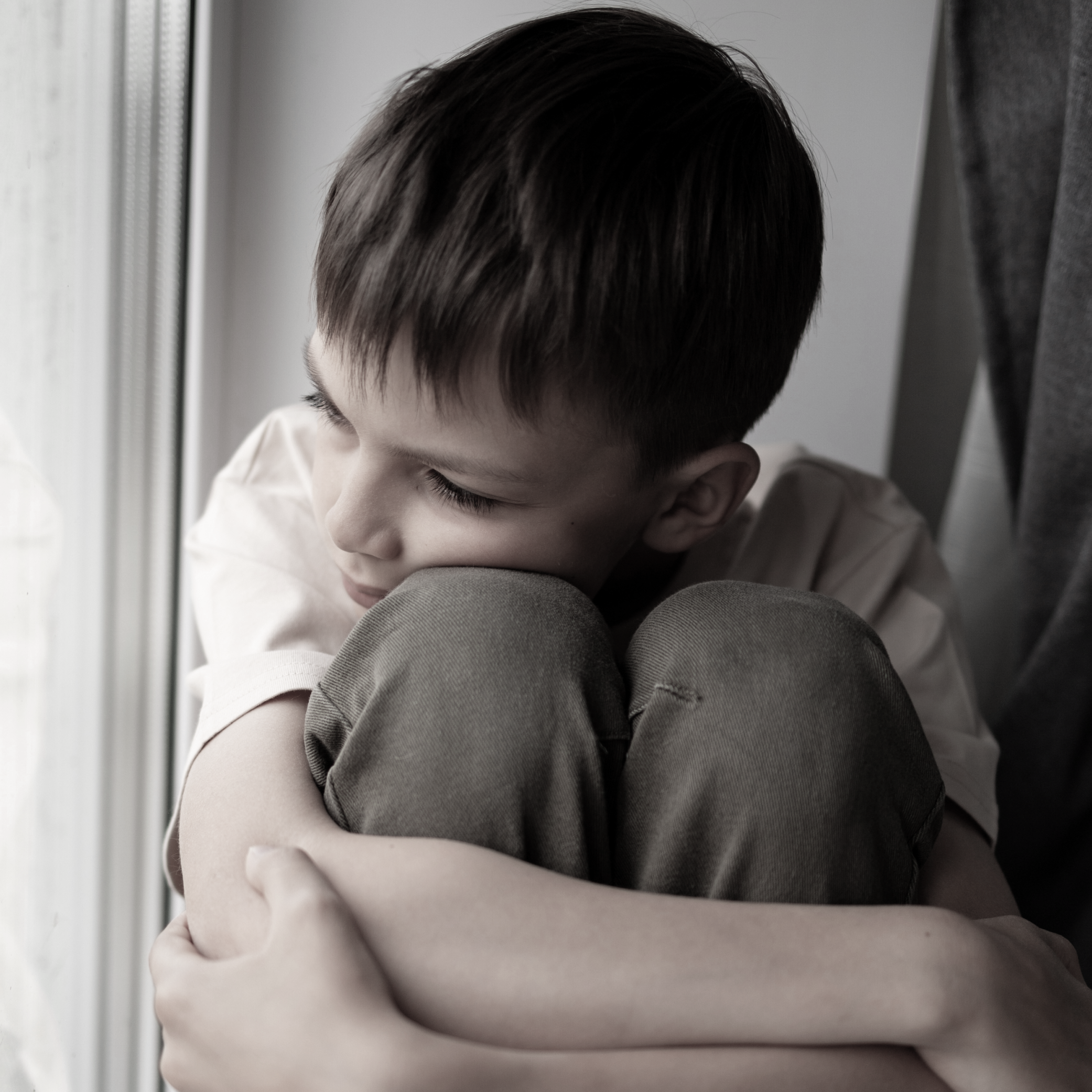
Sometimes the hardest moments of parenting happen quietly after the door closes, when you replay the day in your mind and wonder what your child is trying to tell you.
The raised voice.
The refusal to listen.
The sudden tears or silence.
Behavioral challenges can feel personal, but most of the time, they’re not about defiance at all. They’re about unmet needs, big emotions, and developing minds still learning how the world works.
A Different Way to Look at Behavior
Instead of asking,
‘Why is my child behaving like this?’
Try asking,
‘What might my child be experiencing right now?’ or ‘what is my child feeling?’ ‘What is he trying to tell me?’
Behavior is often the surface expression of something deeper: fear, frustration, confusion, or a need for reassurance.
Children act out not because they want to cause problems, but because they don’t yet have the tools to handle what they are feeling
When Behavior Becomes a Signal
All children test boundaries, that’s part of growing.
But sometimes behavior shifts in a way that feels heavier, more intense, or harder to manage.
Parents often notice:
- Reactions that seem bigger than the situation: over-reactions, over-sensitivity, over-dramatic
- Ongoing power struggles that leave everyone exhausted
- A child who appears angry on the outside but vulnerable underneath
- Increased withdrawal, silence, or emotional distance
These moments aren’t failures. They’re signals asking for attention and understanding.

What’s Often Happening Beneath the Surface
Behavioral difficulties rarely appear without a reason. They’re often connected to:
-
Feeling overwhelmed
School demands, social pressure, or sensory overload can exceed a child’s coping capacity.
-
Struggling with change
Even positive changes can disrupt a child’s sense of safety and control.
-
Lacking emotional language
Many children feel deeply but don’t yet know how to explain those feelings in words.
-
Seeking connection
At times, challenging behavior is a child’s way of reaching out when they don’t know how to ask for closeness.
Why Punishment Alone Doesn’t Work
When behavior is driven by emotion, punishment can increase fear or shame without addressing the root cause.
Children need:
- Guidance, not labeling
- Boundaries, paired with empathy
- Safety, not fear
When a child feels understood, behavior often softens naturally.

How Therapy Supports Children Differently
Therapy gives children something they don’t always have in daily life, a space where nothing is ‘too much’.
In therapy, children can:
- Release emotions safely through play or conversation
- Learn how to recognize and regulate feelings
- Develop healthier ways to express frustration or fear
- Feel accepted without being judged or corrected
Therapy doesn’t aim to change who a child is, it helps them feel safer being who they already are.
Supporting Your Child Starts with Supporting yourself
Parenting a child with behavioral challenges can be draining. It’s okay to feel tired, uncertain, or unsure of the next step.
Seeking help doesn’t mean you’ve tried everything and failed.
It means you care enough to try something new.
A Gentle Perspective to Hold Onto
Your child is not giving you a hard time.
Your child is having a hard time.
Understanding behavior is the first step toward healing for your child and for your family