
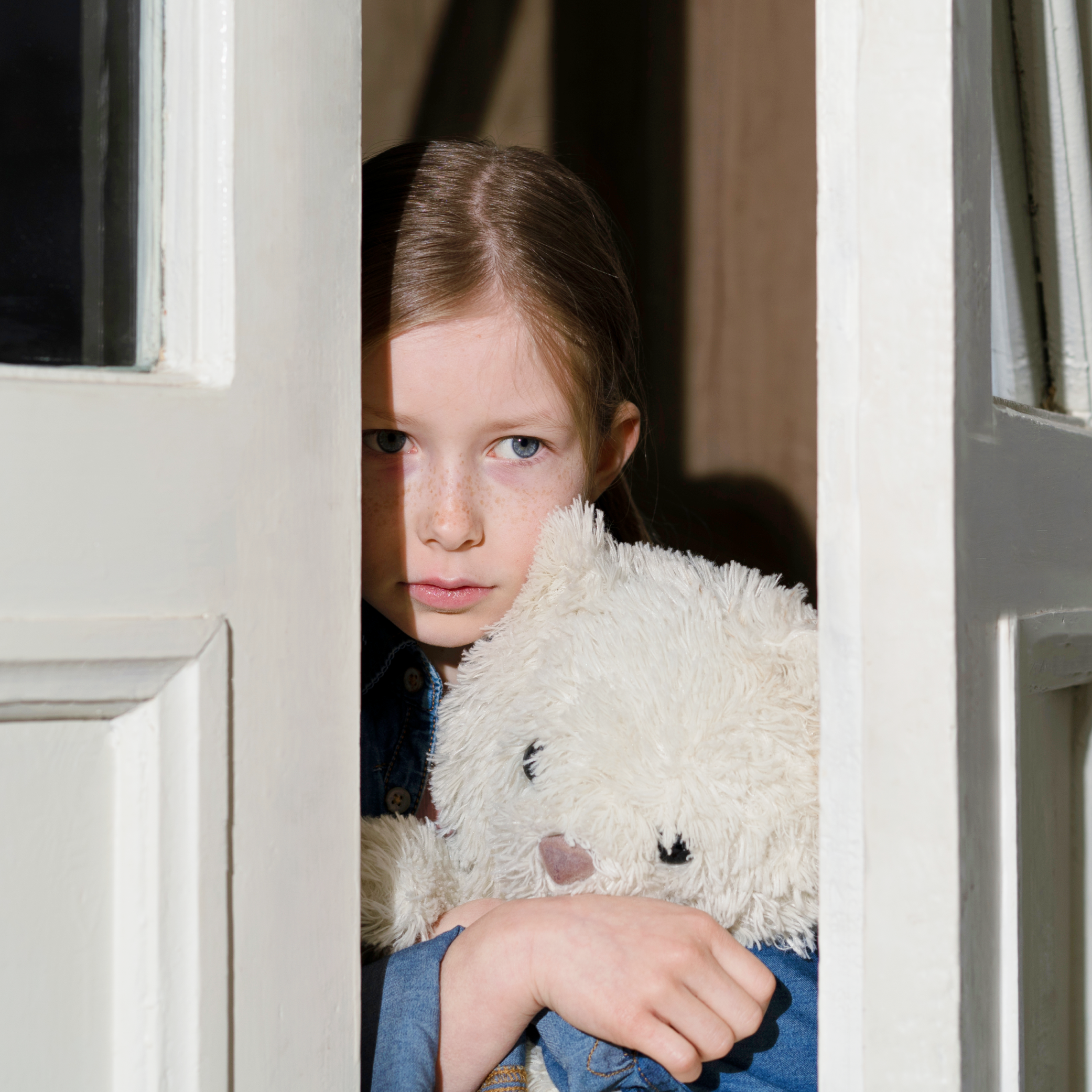
‘She’s just being moody.’ ‘He’s going through a phase.’ ‘Kids bounce back quickly, don’t they?’
These are things many parents tell themselves, often without realizing it. And most of the time, moodiness really is just a phase. But sometimes, underneath the irritability or the withdrawal, something deeper is going on, something that looks nothing like the sadness we expect.
Childhood depression rarely announces itself with tears. It often hides in plain sight, disguised as anger, boredom, or physical complaints that never quite go away.
Why Depression Looks Different in Children
Adults tend to describe depression as persistent sadness or hopelessness. Children, especially younger ones, don’t always have the vocabulary or self-awareness to describe what they’re feeling that way.
Instead, a depressed child might seem:
- Irritable or easily frustrated, rather than sad
- Bored or uninterested in things they used to enjoy
- Clingy, or unusually worried about being separated from a parent
- Tired, achy, or ‘not feeling well’ with no clear medical cause
This is why childhood depression is so often missed. It rarely looks like the quiet sadness adults picture, and it can easily be mistaken for a bad mood, a difficult stage, or simple defiance.
Signs Parents Often Overlook
Every child expresses distress differently, but there are patterns worth paying attention to when they last more than two weeks:
Emotional signs
- Persistent irritability or anger, more than sadness itself
- Feelings of worthlessness, guilt, or being ‘not good enough’
- Loss of interest in friends, hobbies, or activities they once loved
Behavioral signs
- Withdrawal from family and social situations
- Sudden drop in school performance or motivation
- Increased sensitivity to criticism or rejection
Physical signs
- Changes in sleep, whether sleeping too much or too little
- Changes in appetite or weight
- Frequent headaches or stomach aches with no medical explanation
- Low energy, even after rest
A single sign, on its own, usually isn’t cause for alarm. But when several of these show up together and persist, it’s worth paying closer attention.
It’s Not Always Obvious, Even to the Child
One of the hardest parts of childhood depression is that children often can’t name what they’re experiencing. They may not know they’re depressed. They just know that things feel harder, heavier, or less interesting than before.
This is part of why depression in children is sometimes mistaken for laziness, misbehavior, or a personality change, when really, it’s a sign that a child is struggling more than they can express in words.
What Can Contribute to Childhood Depression
Depression in children can stem from a mix of factors, and there’s rarely one single cause. Contributing factors can include:
- Big life changes, such as a move, divorce, or loss of a loved one
- Ongoing stress at school, including academic pressure or difficulties with peers
- Family history of depression or anxiety
- Bullying or social exclusion
- Underlying learning differences or developmental challenges that go unaddressed
Understanding the ‘why’ isn’t always necessary to begin helping. What matters most is recognizing that something has shifted, and responding with curiosity rather than judgment.
How Therapy Can Help
Child-focused therapy doesn’t look like sitting on a couch talking about feelings for an hour. For most children, it looks like play, drawing, storytelling, and guided activities that make it easier to express what they can’t yet put into words.
Therapy can help a child:
- Learn to identify and name difficult emotions
- Build healthy coping strategies for sadness, frustration, or worry
- Rebuild confidence and a sense of connection with others
- Feel understood, often for the first time in a while
Parents are usually part of this process too, since a child’s environment plays a major role in their recovery and long-term wellbeing.
When to Seek Professional Support
Reach out to a mental health professional if your child:
- Shows several of the signs above for more than two weeks
- Talks about feeling hopeless, worthless, or wanting to disappear
- Withdraws significantly from family, friends, or activities
- Shows a sudden, noticeable change in behavior or personality
If your child ever talks about harming themselves or not wanting to be alive, treat it as urgent and seek help immediately. In Qatar, the National Mental Health Helpline (16000, option 4) is available 24/7 for support and guidance.
You Know Your Child Better Than Anyone
If something feels different about your child and it’s not going away, trust that instinct. You don’t need a full diagnosis in mind before reaching out. You just need to notice that something isn’t quite right, and be willing to ask for support.
At Odyssey Center, our team works with children and families across Doha to help make sense of what’s beneath the surface, gently, and without judgment.
A Gentle Reminder for Parents
Depression in children is treatable, and early support makes a real difference. Asking for help isn’t a sign that you’ve failed as a parent. It’s a sign that you’re paying attention