
You’ve probably heard the term before at a parent-teacher meeting, from your pediatrician, or maybe from another parent in the waiting room.
But what does occupational therapy actually mean for a child?
And more importantly could it be something your child needs?
It’s Not About Jobs
The word “occupational” can be confusing. For children, occupation means something different entirely.
A child’s occupation is play. It’s learning. It’s getting dressed, holding a pencil, eating a meal, making friends.
Occupational therapy or OT helps children do the everyday things that matter to them, more comfortably and more confidently.
What Occupational Therapists Actually Work On
OT covers a wider range than most parents realize. A therapist might be supporting your child with:
- Fine motor skills – holding a pencil, buttoning a shirt, using scissors
- Gross motor skills – coordination, balance, physical confidence
- Sensory processing – how your child takes in and responds to touch, sound, movement, and textures
- Self-care routines – dressing, eating, managing personal hygiene independently
- Handwriting and school tasks – the physical and cognitive demands of the classroom
- Emotional regulation – the ability to stay calm and focused when things feel overwhelming
Signs a Parent Might Notice
You don’t need to wait for a diagnosis to wonder.
Sometimes a parent simply feels that something is harder for their child than it seems to be for others. That instinct is worth paying attention to.
Common signs that OT may help include:
- Avoidance of certain textures, clothing, or foods
- Difficulty sitting still or staying focused on tasks
- Frustration with writing, drawing, or using small objects
- Clumsiness, bumping into things, or poor coordination
- Meltdowns around transitions, routines, or unexpected changes
- Trouble with self-care tasks that peers are managing independently
- Seeming overwhelmed in busy or noisy environments
None of these signs alone means something is “wrong.”
But together, they may be telling you that your child’s nervous system needs a little extra support.
What OT Looks Like for a Child
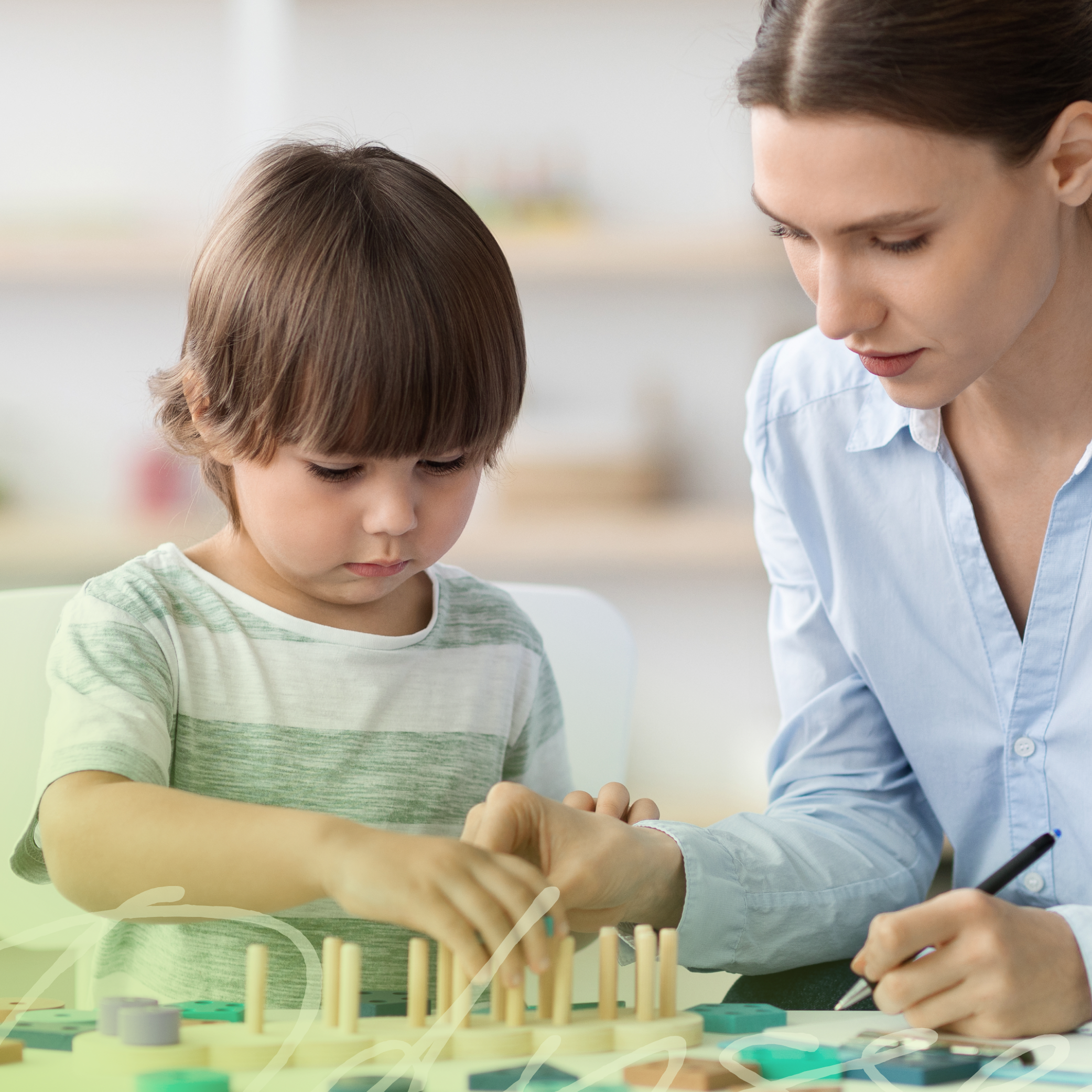
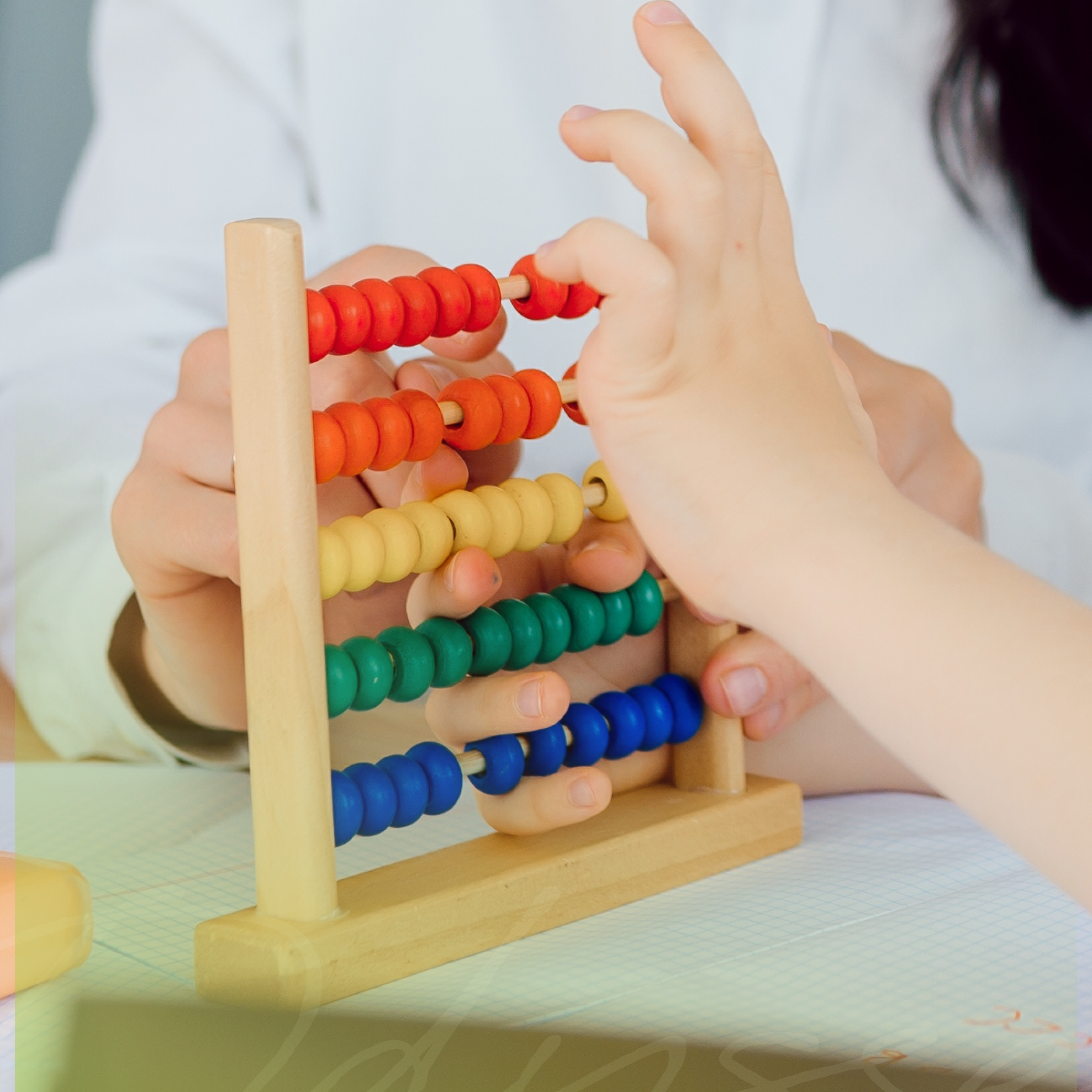
One of the things parents often find most reassuring: occupational therapy usually looks like play.
Sessions are engaging, hands-on, and built around what matters to your child. A therapist observes carefully, then designs activities that challenge and support the right areas — without pressure or labels.
Children rarely feel like they’re in therapy.
They feel like they’re having fun.
When to Reach Out
If you’re asking the question, trust that instinct.
Early support tends to make a real difference. The sooner a child gets tools that work for them, the more naturally those tools become part of how they move through the world.
You don’t need a full diagnosis to book an assessment. An evaluation can simply help you understand your child better – and that understanding is always worthwhile.
A Thought to Carry With You
Occupational therapy doesn’t try to change who your child is.
It helps them feel more comfortable and capable of being exactly who they already are.
That is a gift that stays with them for life.